This guide delves into the ecological significance of hornets, exploring their crucial role in the balance of ecosystems. Hornets are a group of predatory insects from the Vespidae family, recognized for their complex social structures and impactful presence in natural habitats. This article examines their behavior, the benefits they offer, and addresses common misconceptions surrounding these often-misunderstood creatures.
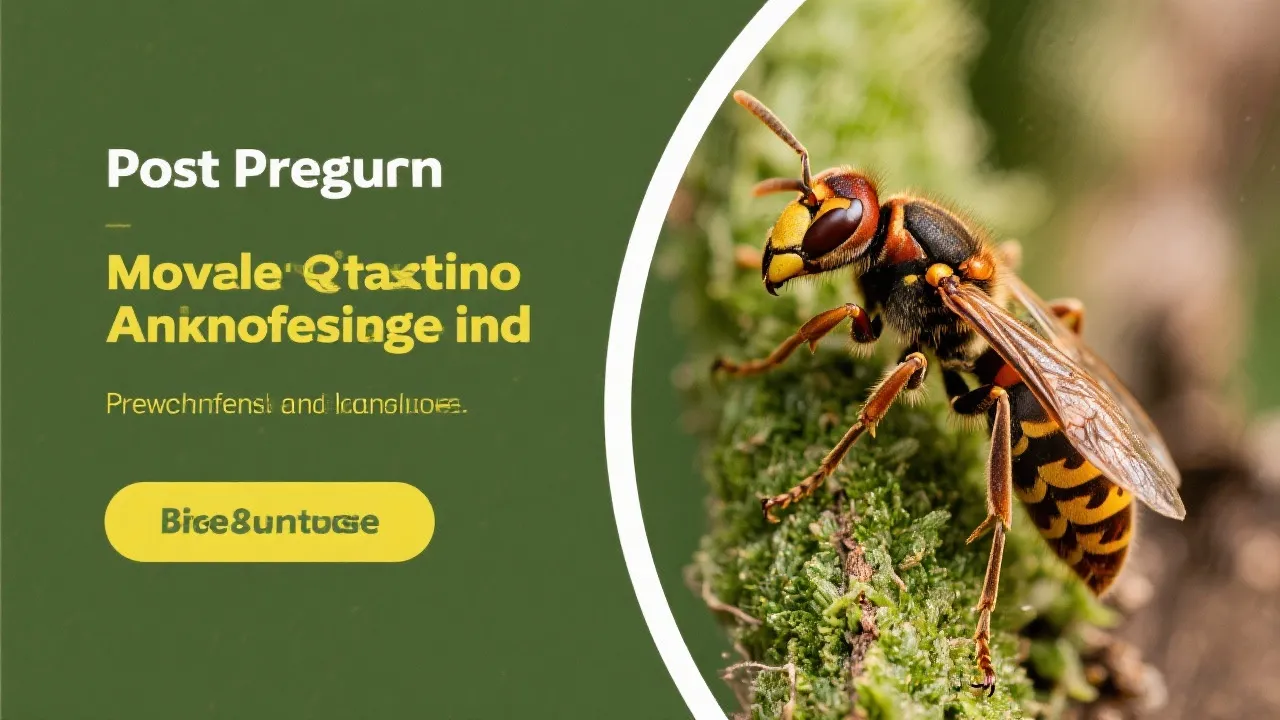
Hornets, members of the family Vespidae, play a vital role in maintaining ecological balance. These large insects, often misunderstood as merely aggressive pests, are, in fact, crucial to controlling pest populations and aiding in pollination. Though they have a fearsome reputation, understanding their behavior and ecological contributions can help us appreciate their role within natural environments. Hornets exhibit fascinating behaviors and adaptations that have allowed them to thrive in various habitats around the world, from dense forests to urban settings.
One of the primary ecological roles of hornets is pest control. As apex predators of the insect world, hornets help limit the populations of many insect species, including caterpillars, spiders, and other arthropods. This natural regulation of pest populations prevents infestations that could otherwise damage crops, gardens, and natural flora. For instance, a single hornet can consume dozens of caterpillars in a day, significantly impacting the population dynamics of these potential pests. By preying on a variety of insects, hornets naturally balance the food chain and contribute to biodiversity.
Additionally, hornets contribute to the health of their ecosystems by acting as bioindicators. Their presence and population dynamics can reflect the overall health of the environment. When hornet populations are abundant, it often indicates a rich diversity of other insects and a stable ecosystem. Conversely, declining hornet populations may signal environmental issues that require attention, such as pesticide overuse or habitat destruction.
Beyond pest control, hornets also contribute to pollination. While bees are the primary pollinators known worldwide, hornets participate by transporting pollen as they move from one flower to another in search of nectar. Although not as efficient as honeybees, hornets inadvertently support the pollination process, particularly for certain flower species that are less attractive to bees. Flowers that produce a different array of nectar or have unique blooming periods may find hornets to be useful allies in their reproductive processes.
The role of hornets in pollination can be further appreciated when considering their physical attributes. With their robust bodies and large size, they can navigate various flowers that may be inaccessible to smaller insects. Their ability to forage in different ecological niches allows them to connect floral resources, thereby fostering genetic diversity in plant populations. This unique capacity can prove beneficial in agricultural settings, where crop diversity is essential for resilience against pests and environmental changes.
| Aspect | Hornets | Bees |
|---|---|---|
| Pest Control | Predatory diet helping to control insect populations. | Primarily focus on pollination activities. |
| Pollination | Occasional, through accidental pollen transfer. | Main activity, key pollinators of various plants. |
| Colony Structure | Complex social structure with role division. | Highly organized with defined roles for members. |
| Habitat Preferences | Adapt to diverse environments, including urban settings. | Primarily found in gardens and wild areas. |
| Feeding Behavior | Carnivorous diet supplemented by nectar collection. | Primarily herbivorous, collecting nectar and pollen. |
Despite their ecological benefits, hornets are often feared due to their capability to sting. It's important to remember that hornets are generally not aggressive unless they feel threatened. The risk of stings usually arises when people inadvertently disturb their nests. These nests are often built in sheltered areas such as trees, shrubs, and even under eaves of buildings. Educating the public about hornet behavior can reduce unnecessary fear and help people coexist peacefully with these insects. Understanding how hornets behave when threatened can also contribute to safer interactions. For instance, hornets may display warning signals, such as buzzing or hovering near perceived threats, before they decide to sting.
Moreover, it is beneficial to recognize that not all hornet species behave the same way. For example, the European hornet (Vespa crabro) is typically less aggressive than the bald-faced hornet (Dolichovespula maculata), which may contribute to various perceptions of hornet behavior. Individual species exhibit unique traits and tendencies, highlighting the importance of knowing the specific type of hornet encountered in any given region. This knowledge can be pivotal in managing encounters with these insects in a more informed manner.
Hornets are not inherently aggressive; they typically attack in defense of their colony. If their nest is disturbed, hornets may perceive threats and become defensive. By maintaining a respectful distance and avoiding sudden movements near nests, encounters with hornets can usually be managed without incident. The key is to act calmly and slowly, enabling hornets to view you as a non-threat.
It's best to observe from a distance and consult professional pest control if removal is necessary. Avoid disturbing the nest to prevent provoking a defensive response. In many cases, allowing hornets to remain undisturbed can actually benefit the local ecosystem by helping manage pest populations nearby. If necessary, professional services have the training and tools to safely relocate or eliminate hornet nests with minimal risk to both the insects and humans.
Yes, by controlling pest populations, hornets can aid agricultural quality by reducing the damage caused by insects that would otherwise affect crops. Many agricultural practices benefit from the natural pest control provided by hornets. For example, farms that use integrated pest management strategies can reduce their reliance on chemical pesticides, leading to healthier crops and reduced environmental impact. Moreover, hornets’ occasional role as pollinators can enhance fruit set and overall yield in various flowering plants, thereby giving farmers additional returns.
Coexisting with hornets involves understanding their habits and being mindful of their presence. Simple practices such as keeping food covered when outdoors, sealing trash, and avoiding sudden movements can help minimize unwanted encounters. Furthermore, encouraging biodiversity in gardens by planting a range of flowering plants attracts beneficial insects, including both hornets and bees, promoting a balanced ecosystem. Educating neighbors about the role of hornets can foster community support in preserving these important insects rather than viewing them solely as pests.
The social structure of hornet colonies is complex and fascinating. Hornets exhibit a caste system that includes queens, workers, and drones. Each member plays a specific role that is crucial for the colony's survival. Typically, a hornet colony starts in late spring when a fertilized queen emerges from hibernation to establish a nest. She will begin laying eggs, which will hatch into workers responsible for foraging and nest maintenance. Drones, on the other hand, are produced late in the season for mating purposes.
The division of labor among these castes showcases remarkable adaptations to ensure colony efficiency. Worker hornets take care of the brood, collect food, and defend the nest, whereas queens focus on reproduction. This system allows hornet colonies to grow throughout the summer, reaching populations of several hundred by fall. Such a structured approach enables the colony to thrive, find food, and raise young effectively, underscoring the significance of social organization in their success as communal insects.
There are numerous species of hornets around the world, each with distinct traits and behaviors. Some of the most notable include the European hornet (Vespa crabro), the bald-faced hornet (Dolichovespula maculata), and the Asian giant hornet (Vespa mandarinia). Understanding the differences among these species can aid in coexistence and management efforts.
The European hornet is one of the most common species in North America and Europe. Its large size and distinctive coloration, typically yellow and brown stripes, make it easily identifiable. This species is known for its relatively docile behavior compared to others, often preferring to evade conflict unless it feels threatened.
The bald-faced hornet is often mistaken for a wasp due to its striking black and white coloration. Unlike other hornet species, bald-faced hornets are known for their aerial nests, which are suspended high in trees or shrubs. They can be highly aggressive when their territory is invaded, making caution essential when approaching their nests.
The Asian giant hornet, on the other hand, has gained notoriety due to its size and association with bee population declines. These hornets can grow up to two inches long and have a potent sting that can contribute to severe allergic reactions in humans. Public awareness and prompt reporting of sightings are critical to managing their spread in non-native areas, as they can devastatingly impact local honeybee populations.
The life cycle of hornets consists of four stages: egg, larva, pupa, and adult. The reproductive cycle begins in the spring when fertilized queens emerge, searching for a suitable place to create a nest. Upon locating an appropriate site, the queen lays eggs that will develop into larvae.
As the larvae grow, they rely on the workers to bring them food, which typically consists of protein sources, such as other insects. The workers play a crucial role in caring for the brood by feeding them and maintaining the nest. Once the larvae are mature, they spin silken cocoons and enter the pupal stage, where they undergo metamorphosis.
Upon emergence as adults, the new workers assist the queen in building the colony. This reproductive cycle continues throughout the summer, with the colony reaching its peak size by early fall. As temperatures drop and conditions change, the queen will cease laying eggs, and the workers will eventually die off as winter approaches. Only fertilized queens will survive the winter by entering a dormant state, hibernating until conditions are suitable for the next breeding cycle in the spring.
Throughout history, hornets have held various meanings in different cultures. In some societies, their fierce reputation and protective nature have made them symbols of bravery, tenacity, and guardianship. For instance, hornets are often featured in folklore and stories that highlight their defensive instincts, acting as guardians of their nests and young.
In indigenous cultures, hornets and their nests may be viewed with respect, serving as reminders of the interconnectedness of life. Some people's beliefs celebrate hornets as important spiritual creatures that can teach lessons about resilience and strength in the face of adversity.
Conversely, in contemporary culture, hornets have also become symbols of fear, often depicted in media as dangerous pests. This negative context can overshadow their ecological significance. As a result, conservation efforts are increasingly focused on reshaping the narrative surrounding hornets, emphasizing their importance in ecosystems and promoting their value rather than fear.
Given the crucial ecological roles played by hornets, conservation efforts aimed at protecting their populations are essential. As habitats continue to be altered and pesticides are used indiscriminately, hornets face numerous threats that could impact their survival. One major area of focus is educating the public about the importance of hornets in natural systems and promoting coexistence strategies.
Efforts to protect hornet populations often involve habitat restoration initiatives that encourage diverse ecosystems. Establishing pollinator gardens that provide various flowering plants can create conducive environments where hornets and other beneficial insects flourish. This approach enhances not only hornet populations but also the overall health of local ecosystems, improving biodiversity.
Additionally, ongoing research and monitoring are crucial for understanding the impacts of climate change and habitat destruction on hornet populations. Studies focused on their behavior, migration patterns, and responses to environmental changes can provide insight into conservation strategies that will be effective in safeguarding both hornets and the ecosystems they inhabit.
Hornets are essential components of their ecosystems, contributing both as predators and occasional pollinators. By understanding and respecting their role, humans can better appreciate the delicate balance of nature and the importance of each species within it. Integrating knowledge about hornets into conservation efforts is vital for maintaining biodiversity and ecological health. Raising awareness and fostering a positive understanding of these creatures can help mitigate fear and promote coexistence, ensuring that hornets can continue to thrive alongside human populations. The clarity of their role in ecosystems underscores the interconnectedness of all species, highlighting that every insect, no matter how fearsome it may seem, has a part to play in the intricate web of life.
Striking the Perfect Balance: Navigating Premiums and Out-of-Pocket Expenses in Senior Insurance Plans

Explore the Tranquil Bliss of Idyllic Rural Retreats

How to Make Lasting Memories at Disneyland Attractions

Affordable Phones and Plans for Seniors

Affordable Full Mouth Dental Implants Near You

Unlock the Top Kept Secrets to Finding Your Ideal Dentist for Flawless Dental Implant Results!

Discovering Springdale Estates

The Guide to Car Trading

Affordable Cell Phones Without Plans


In-Depth Guide to 3222d2656 Product
This guide elaborates on the revolutionary 3222d2656 product, its innovative features, and market impact. The 3222d2656 is transforming industry standards and addressing key consumer needs. It stands out with its advanced technology, offering a unique value proposition in its category. By seamlessly integrating with existing systems, it is ideal for businesses seeking efficiency.

The Impact of Ynmc 5b Technology
Ynmc 5b represents a revolutionary leap in compact technology modules, offering enhanced performance capabilities and potential for diverse applications. This advancement in technology underscores a significant turning point in compact design and efficiency, marking a departure from traditional approaches and setting new standards in the industry for performance and versatility.

The Enigma of 030109119ab
The keyword "030109119ab" encapsulates a complex concept often utilized in specific technical arenas. This article delves into the significance and applications of this keyword, exploring theoretical and practical perspectives. Readers will gain insights into its intricacies, interpreting how it is integrated across multiple frameworks. As much as "030109119ab" might appear obscure, it holds substantial relevance in its field, affecting numerous adjacent sectors.

Understanding 030109119ab in Technology
This guide explores the enigmatic keyword "030109119ab," delving into its potential implications and meanings within the world of technology and beyond. Although 030109119ab may not have a widely recognized direct correlation to an existing technological term or concept, such keywords often hold importance in specific databases or proprietary systems.

Comprehensive Insight into Buffon Martins
This article provides an extensive examination of Buffon Martins, delving into historical backgrounds and their influence on modern applications. Buffon Martins represents a particular area of study or interest that has impacted various scholarly and practical fields. With an objective tone, this guide unravels the complexities surrounding this subject, offering readers a thorough understanding of its facets in a global context.

Insights Into Eugene Vyborov's Technology Contributions
This guide delves into the professional journey and contributions of Eugene Vyborov, a noteworthy figure in technology. Known for his expertise in software development and innovative approaches, Vyborov has significantly impacted various tech fields, influencing modern practices and inspiring future innovations. This article examines his work and its influence on contemporary tech trends.